 Food and Wine Pairing
•
5 October 2025
Food and Wine Pairing
•
5 October 2025
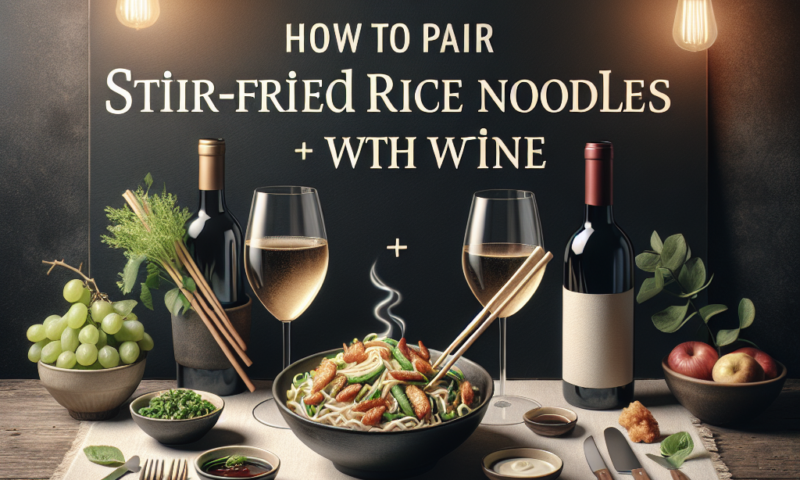
Stir-fried rice noodles — whether pad thai, char kway teow, or a house-style wok dish — occupy a growing share of modern brasserie and pan-Asian menus. Their flavour profile is complex: umami-rich sauces, aromatic spices, variable protein garnishes, and a neutral base that can swing sweet, salty, or smoky depending on the preparation. That complexity makes wine pairing advice genuinely useful to guests — and genuinely difficult to deliver manually at every table during a busy service. The Winevizer virtual sommelier resolves that by attaching the right pairing to the right dish, surfacing it to guests in real time.
Each of the five pairings targets a different preparation variant and a different guest taste profile. Delivering that level of contextual recommendation manually — across a menu that may include four or five noodle variations — is not operationally viable without a tool. When you digitize your wine list with Winevizer, the pairing logic is embedded in the dish entry. Guests browsing the menu on their phone or tablet see the wine suggestion alongside the dish, before the server arrives. This reduces decision friction, increases wine attachment on Asian dishes (which traditionally under-index on wine sales), and removes the knowledge burden from your floor team. If your brasserie or pan-Asian concept employs staff with limited sommelier training, Winevizer effectively closes that skills gap.
Pan-Asian dishes are among the lowest wine-attachment categories on mixed menus — partly because of perception (guests assume beer or soft drinks are the default) and partly because staff rarely have a confident pairing answer ready. Automating the recommendation changes both dynamics. Restaurants using Winevizer report an average +20–28% wine revenue increase per cover on Asian dishes specifically, once pairing recommendations are embedded in the digital menu. Floor teams also save an estimated 5–9 minutes per service that would otherwise go to wine-related questions, allowing them to focus on food execution and hospitality.
Whether you run a brasserie with an Asian section, a dedicated noodle bar, or a hotel restaurant with a pan-Asian dinner menu, Winevizer adapts to your wine list and your menu structure. See all plans and start your free trial. Configuration takes less than a working day; the pairing logic starts working from your first service.
With Winevizer, this kind of food-and-wine pairing is suggested automatically to every customer through your digital wine list — built-in virtual sommelier, accessible by QR code, no app to install.

Pairing a Vegetarian Burger and Wine: A Tasty Alliance A vegetarian burger is no longer just an option for vegetarians; it has become a culinary trend in its own right. To fully enjoy its nuanced flavors, it is essential to pair it with an appropriate wine. Discover how to enhance this gastronomic experience with […]<\/p>
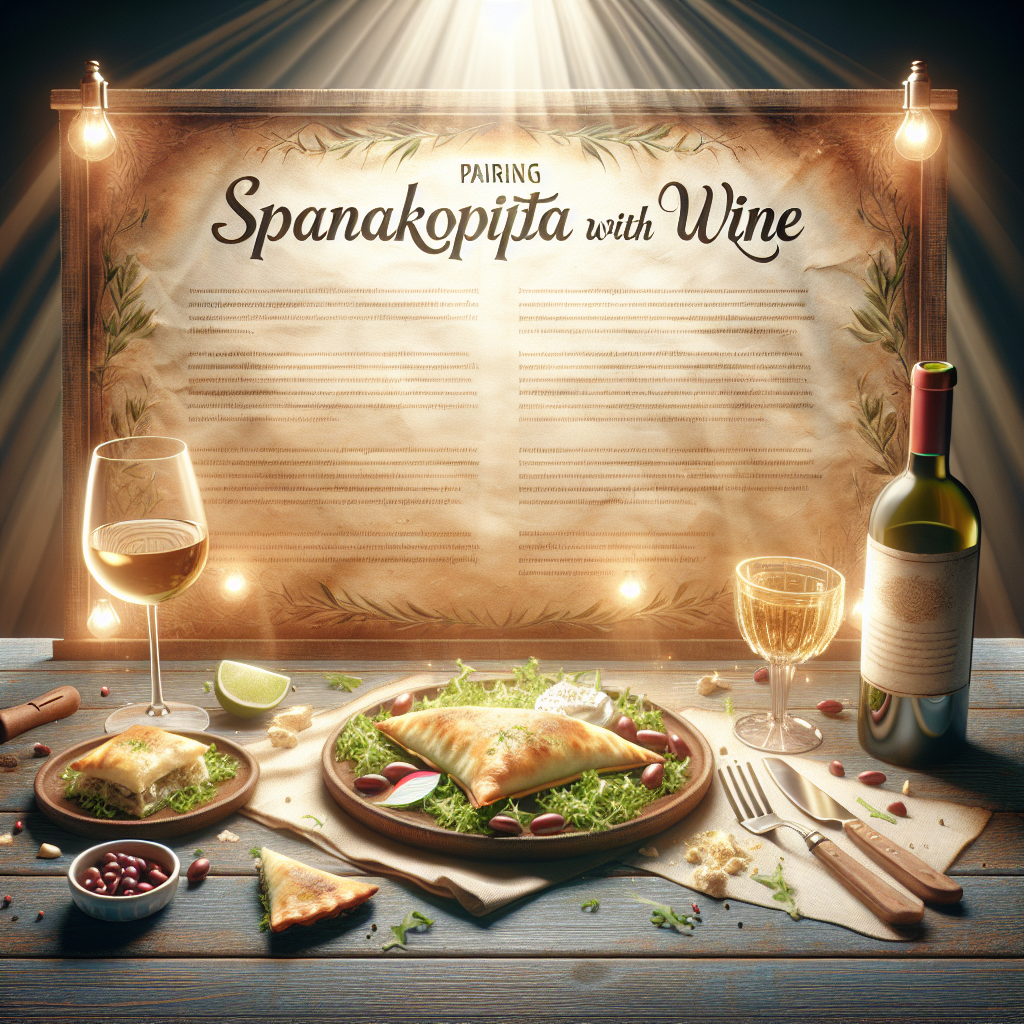
Pairing a Spanakopita with Wine Spanakopita, this delicious Greek pie with spinach and feta, is a dish that calls for thoughtful food and wine pairing to enhance its flavor. Discover how to elevate this appetizer with the ideal wine for an unforgettable tasting experience. Examples of Food and Wine Pairings Here are some suggestions […]<\/p>

Learn how to pair wines and falafels for a unique tasting experience. Falafels, these delicious spiced chickpea balls, hold a special place in Middle Eastern cuisine. Finding the perfect wine to accompany this dish may seem tricky, but with a few savvy tips, it becomes a breeze. Here are some suggestions for pairings […]<\/p>
For 1 month with no commitment