 Food and Wine Pairing
•
20 August 2025
Food and Wine Pairing
•
20 August 2025
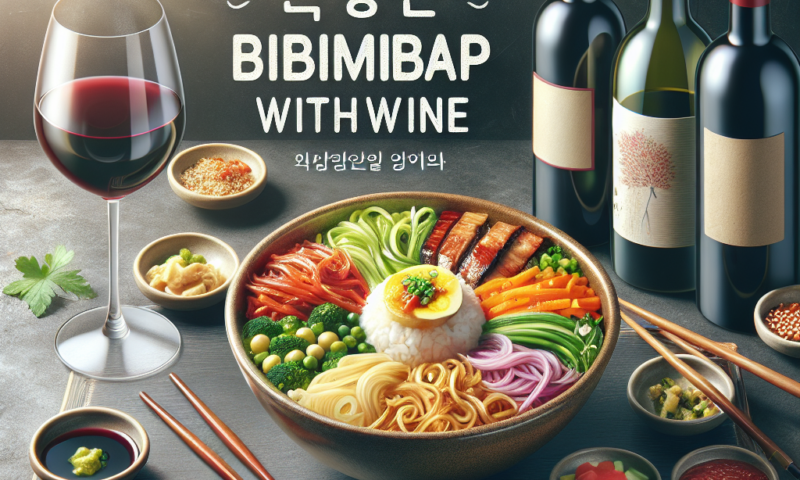
Bibimbap is built on the interaction of spiced gochujang paste, seasoned vegetables, rice, and a protein — often beef or egg — that changes the dish's character depending on how it is assembled and eaten. That variability makes it one of the most genuinely complex pairings in Korean cuisine. Most wine lists simply ignore it. When Winevizer's virtual sommelier is active on your digital wine list, bibimbap gets a validated pairing recommendation at every table — based on the dish's dominant flavour profile, not a generic catch-all suggestion.
In Winevizer, you can configure bibimbap pairings to adapt to variant-level differences — beef, vegetarian, seafood — or use a best-fit recommendation that works across variants. Through your digital wine list, guests see the recommendation from your actual bottle inventory with a tasting note that explains the pairing logic. For Korean restaurants where bibimbap is a anchor menu item, activating this pairing is one of the fastest routes to measurable wine revenue uplift. Multilingual presentation ensures every guest nationality receives the recommendation in their language.
Korean restaurant operators activating Winevizer on bibimbap and other rice bowl dishes report 11–17% increases in wine attachment rates on those menu items. The Riesling recommendation converts particularly strongly because it addresses the gochujang heat — a concern guests have but rarely articulate — and providing that answer builds trust in your wine list overall. Average ordering time reduction is 4–6 minutes per cover.
No credit card required. Configure bibimbap pairings and your full Korean menu before your next service. Visit the pricing page to start, or explore the virtual sommelier to see how Korean menu pairings are built inside the platform.
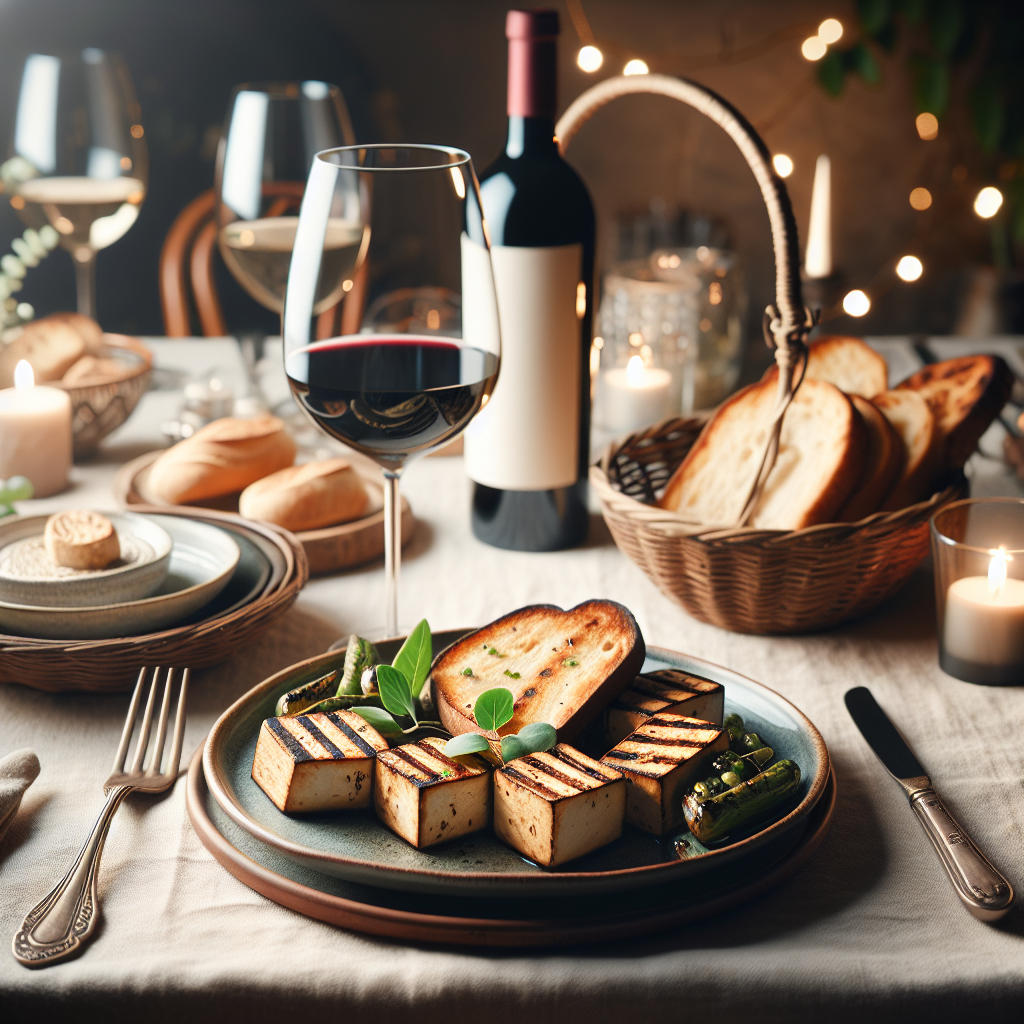
Discover the perfect pairing: Grilled Tofu and Wine. The art of food and wine pairing is a subtle craft that enhances the flavors of your dishes while highlighting the richness of the chosen wines. Today, we focus on an increasingly popular combination: grilled tofu. This delicate and versatile dish lends itself to surprising alliances with various wines.<\/p>

Discover the harmony of eggplant caviar and wine Eggplant caviar, a delicate dish from Mediterranean and Middle Eastern cuisines, is often highlighted during gourmet meals. To enhance this specialty, the choice of wine is crucial. Finding the perfect pairing will not only elevate the taste of the dish but also the overall culinary experience. […]<\/p>
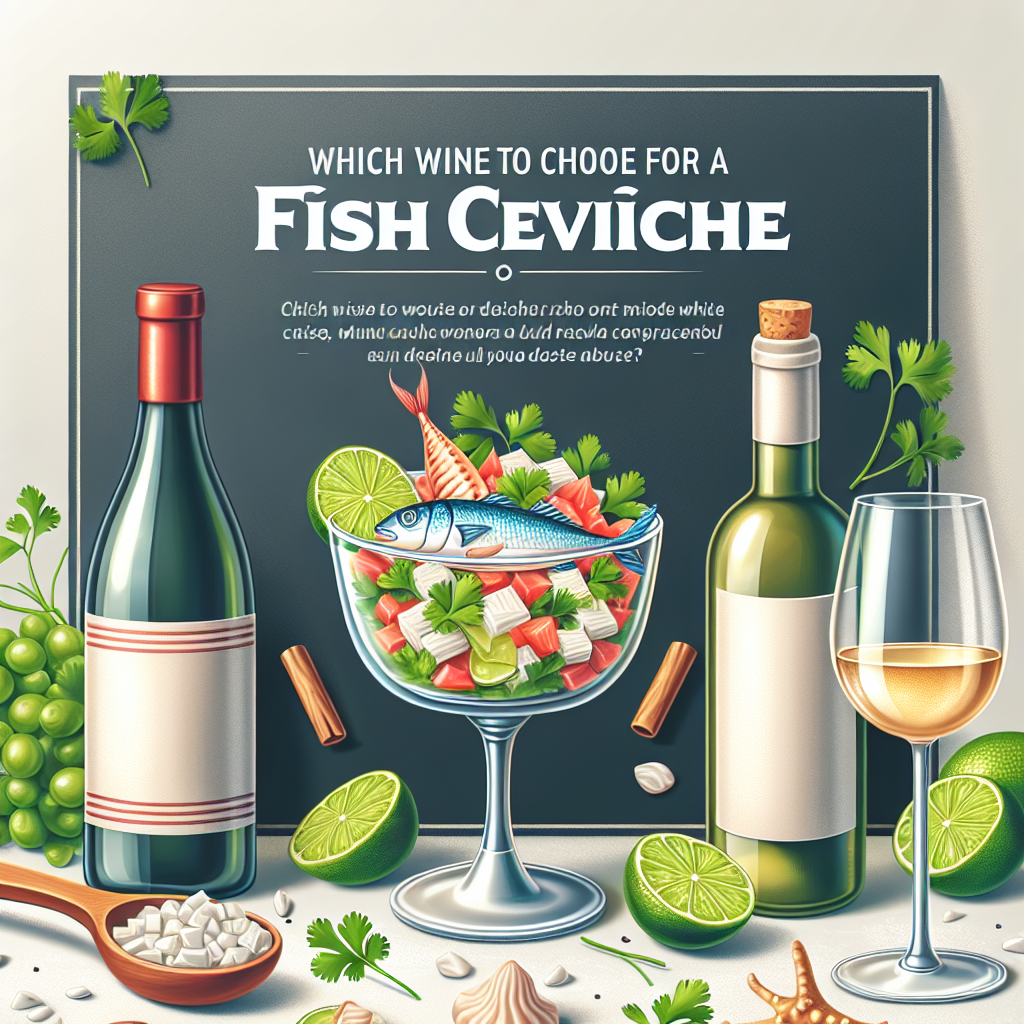
Which wine to choose for a fish ceviche? Fish ceviche, an iconic dish from Latin America, is characterized by its freshness and tangy flavors. Choosing the ideal wine to accompany this delicate dish can enhance the culinary experience. Here are some perfect pairings that will delight your taste buds. 1. Sauvignon Blanc Thanks to its notes […]<\/p>
Pairing built by the virtual sommelier
This recommendation does not come from a generic guide: it was built by the Winevizer virtual sommelier, from our own food-and-wine pairing database. It is exactly what it does in the dining room, except there it works from the wines actually on the restaurant's list.
Winevizer turns your wine list into a digital one and offers this kind of pairing to your guests, at the moment they choose. Your team no longer has to know every bottle by heart.
For 1 month with no commitment