 Food and Wine Pairing
•
15 July 2025
Food and Wine Pairing
•
15 July 2025
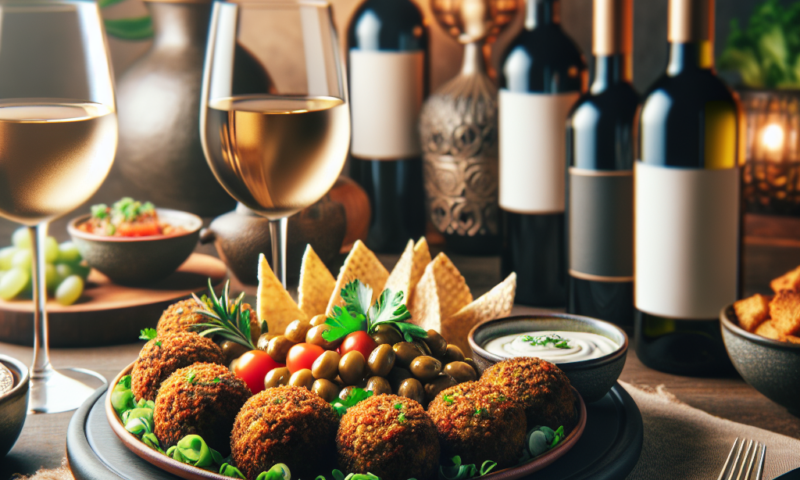
Falafels — spiced chickpea fritters — are increasingly common on contemporary restaurant menus, from Middle Eastern specialists to plant-forward brasseries. Despite their ubiquity, wine pairing recommendations for falafels are almost never embedded in wine lists. Guests who order falafels with wine tend to self-select from the list without guidance, and the attachment rate drops accordingly. A virtual sommelier changes that by surfacing a specific recommendation tied to the dish, not just the table's general wine preferences.
Falafels often appear as a shared starter, a mezze component, or a plant-based main — each context suggests a slightly different service approach to the wine recommendation. Digitizing your wine list with Winevizer lets you set the recommendation at the dish level, so whether falafels appear in the starter section, the sharing plates, or the main course, the relevant pairing suggestion follows automatically. For a brasserie or contemporary casual operation running plant-forward dishes, this kind of systematic pairing coverage across vegetable and legume dishes is a competitive differentiator.
Plant-based dishes historically underperform on wine attachment compared to meat and seafood courses. Operations that actively surface pairing recommendations for vegetarian and vegan dishes see attachment rates increase by 15–20% on those entries. Falafels, served as a sharing plate, create a natural opening for a bottle recommendation rather than a single glass — a meaningful difference in per-table wine revenue. Training time on pairing rationale for Middle Eastern-inflected dishes drops by approximately 5 minutes per briefing when the logic is embedded in the digital menu.
You can start a Winevizer free trial today, load your menu including plant-based and sharing dishes, and see how pairing recommendations affect wine attachment rates within the first week of service.
With Winevizer, this kind of food-and-wine pairing is suggested automatically to every customer through your digital wine list — built-in virtual sommelier, accessible by QR code, no app to install.
The Secrets of a Perfect Pairing between Stir-Fried Rice Noodles and Wine Diving into the world of food and wine pairings is a culinary adventure that can transform an ordinary meal into an unforgettable experience. Today, we focus on the combination of stir-fried rice noodles, an Asian specialty appreciated for its versatility, with a selection […]<\/p>

Pairing a Spanakopita with Wine Spanakopita, this delicious Greek pie with spinach and feta, is a dish that calls for thoughtful food and wine pairing to enhance its flavor. Discover how to elevate this appetizer with the ideal wine for an unforgettable tasting experience. Examples of Food and Wine Pairings Here are some suggestions […]<\/p>

Which wine to choose for savory pancakes Imagine the scene: a Sunday brunch, perfectly golden savory pancakes, and a flute of wine that enhances every bite. The pairing of food and wine is an exciting alchemy, and our delicious pancakes find excellent companions among the grape varieties of the world. Let’s discover these associations that […]<\/p>
For 1 month with no commitment