 Food and Wine Pairing
•
20 June 2025
Food and Wine Pairing
•
20 June 2025
The pork tenderloin is a tasty and tender dish, often enhanced by a wise choice of wines. Discover how to create harmonious food and wine pairings that will delight your taste buds and those of your guests.
One of the advantages of pork tenderloin is its versatility, accommodating a variety of sauces and side dishes. Here is a selection of wines that will enhance this delicate dish:
Choosing the right wine can be tricky, but Winevizer offers an innovative solution. With its virtual sommelier, the platform helps restaurateurs and sommeliers optimize their menus and propose the best food and wine pairings. In just a few clicks, access simplified management and diversify your suggestions for an enriched customer experience.
Whether you are an amateur or a professional, explore other food and wine pairings and enrich your wine knowledge. Dive into the world of Winevizer by visiting our blog or our site for more inspiration and advice. Happy wine journey!
With Winevizer, this kind of food-and-wine pairing is suggested automatically to every customer through your digital wine list — built-in virtual sommelier, accessible by QR code, no app to install.
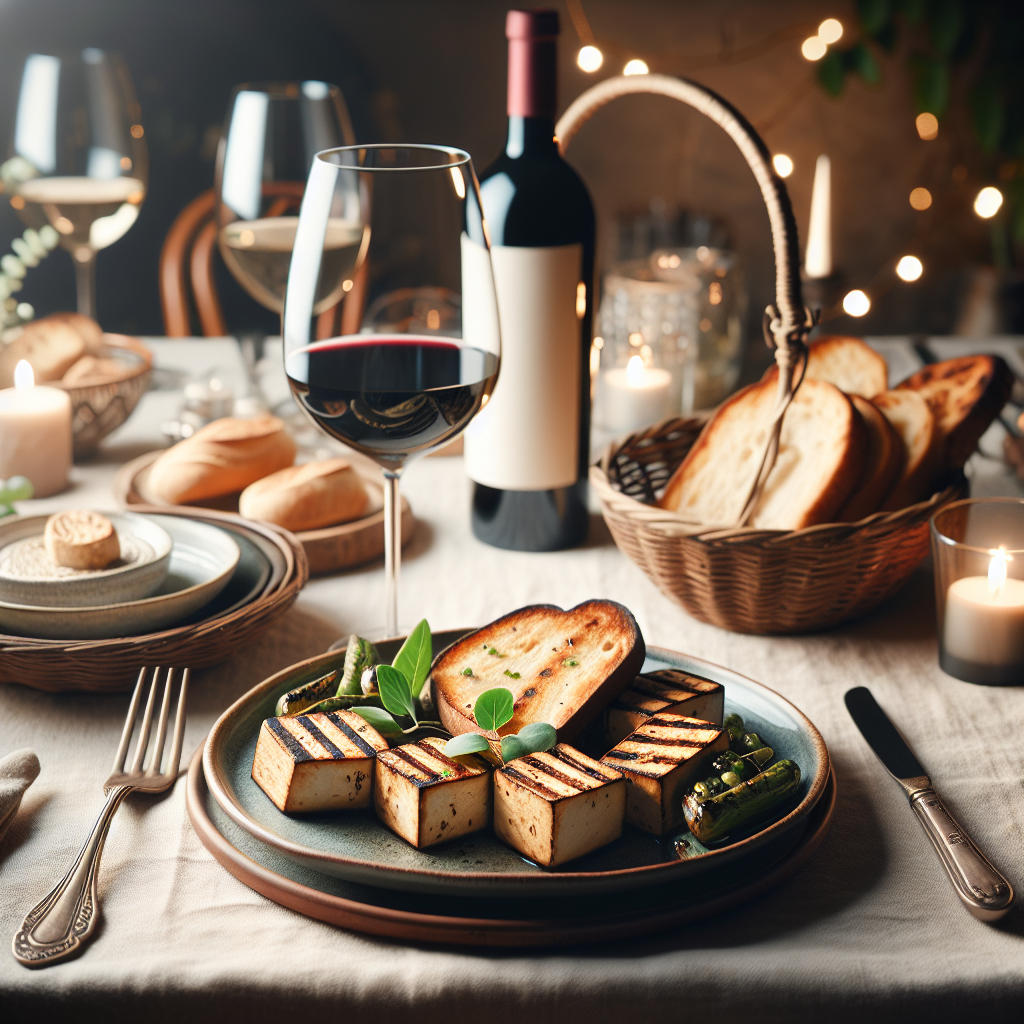
Discover the perfect pairing: Grilled Tofu and Wine. The art of food and wine pairing is a subtle craft that enhances the flavors of your dishes while highlighting the richness of the chosen wines. Today, we focus on an increasingly popular combination: grilled tofu. This delicate and versatile dish lends itself to surprising alliances with various wines.<\/p>

In 2022, digitization has become a priority for many sectors, and the restaurant industry is no exception. Here are several good reasons to create a digital version of your old paper wine list.
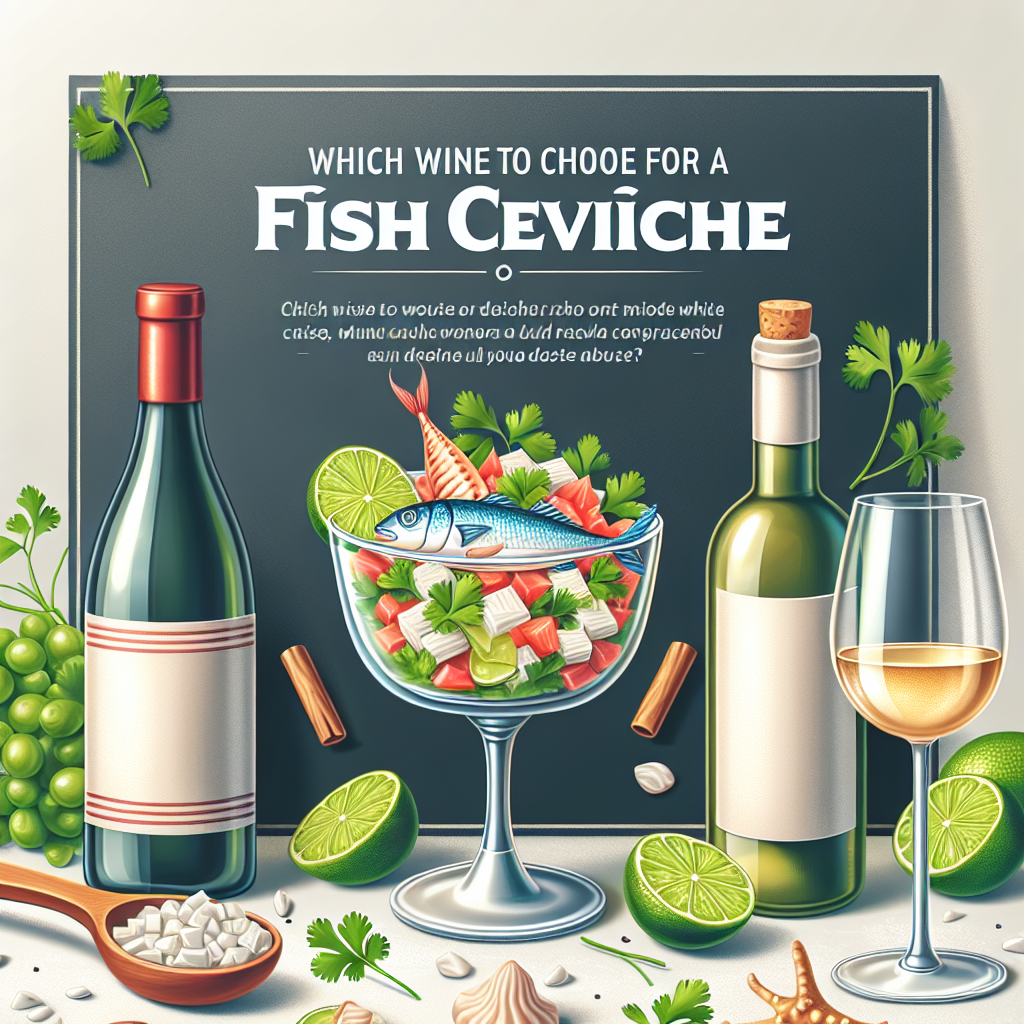
Which wine to choose for a fish ceviche? Fish ceviche, an iconic dish from Latin America, is characterized by its freshness and tangy flavors. Choosing the ideal wine to accompany this delicate dish can enhance the culinary experience. Here are some perfect pairings that will delight your taste buds. 1. Sauvignon Blanc Thanks to its notes […]<\/p>
Pairing built by the virtual sommelier
This recommendation does not come from a generic guide: it was built by the Winevizer virtual sommelier, from our own food-and-wine pairing database. It is exactly what it does in the dining room, except there it works from the wines actually on the restaurant's list.
Winevizer turns your wine list into a digital one and offers this kind of pairing to your guests, at the moment they choose. Your team no longer has to know every bottle by heart.
For 1 month with no commitment