 Food and Wine Pairing
•
15 June 2025
Food and Wine Pairing
•
15 June 2025
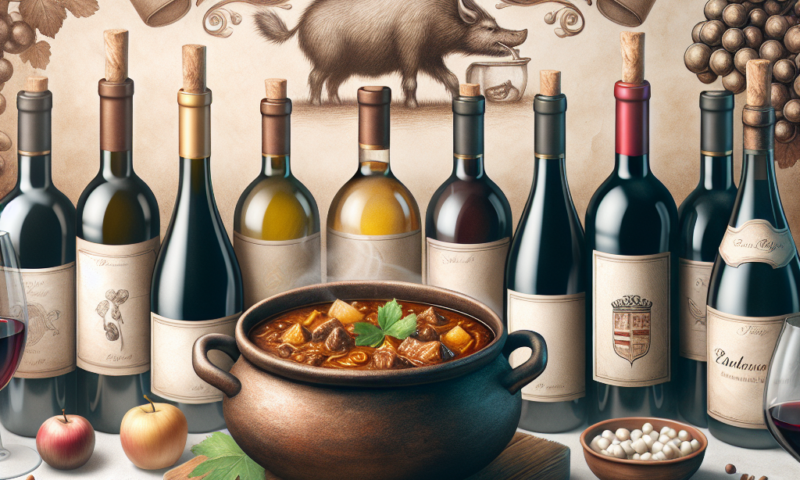
Hungarian goulash — paprika-forward, slow-braised beef, root vegetables, rich stock — is the kind of comfort main that fills tables on cold-season menus. Guests order it for the warmth and intensity, which makes them receptive to an equally bold wine recommendation. The problem is that the Hungarian and Central European flavor profile is unfamiliar to most front-of-house teams, and the pairing question often goes unanswered. A virtual sommelier gives every server a confident, specific answer calibrated to the dish — no sommelier presence required. Goulash's dominant paprika and slow-cook depth define the pairing logic, and there are several strong commercial opportunities within it.
Goulash is typically a featured seasonal dish — which means its pairing window is finite and the configuration effort is low. When you add dish-level pairings to your digital wine list for goulash, the recommendation is active for the duration of the dish's menu run and can be switched off when the season changes. The Hungarian wine recommendation in particular creates a storytelling opportunity: guests who order the regional pairing almost always mention it, generating word-of-mouth for your wine program. For brasserie operations where goulash appears as a winter special, this kind of curated guidance significantly elevates the perceived quality of the wine list.
Seasonal hearty dishes like goulash generate high per-table spend when paired correctly. Operators who activate dish-level pairing on braised meat mains report a 15 to 25 percent increase in wine attachment on those dishes. A bottle of Hungarian Villány red or a premium Côtes du Rhône added to a goulash main can increase the average table spend by 15 to 20 percent. Server time on wine questions drops by 5 to 8 minutes per service.
No credit card required. Configure goulash pairings before your next seasonal menu launch and measure the results. Visit our pricing page to activate the trial.
With Winevizer, this kind of food-and-wine pairing is suggested automatically to every customer through your digital wine list — built-in virtual sommelier, accessible by QR code, no app to install.
Pairing a Spanakopita with Wine Spanakopita, this delicious Greek pie with spinach and feta, is a dish that calls for thoughtful food and wine pairing to enhance its flavor. Discover how to elevate this appetizer with the ideal wine for an unforgettable tasting experience. Examples of Food and Wine Pairings Here are some suggestions […]<\/p>
Introduction Monkfish à l'armoricaine, a dish from the rich French culinary tradition, is a blend of complex and intense flavors. Its tomato sauce, enhanced with marine aromas, requires a judicious wine pairing. How can we elevate this tasting experience with the ideal wine? Here are some tips for a perfect marriage between food and wine. […]<\/p>

Discover the Perfect Harmony: Food and Wine Pairing with Gyozas Gyozas, these small Japanese dumplings, evoke exotic and refined flavors. To enhance your culinary experience, we reveal the secrets of food and wine pairings that transform these delights into a true festival for the palate. Winning Alliances Dry Riesling: Its freshness […]<\/p>
Pairing built by the virtual sommelier
This recommendation does not come from a generic guide: it was built by the Winevizer virtual sommelier, from our own food-and-wine pairing database. It is exactly what it does in the dining room, except there it works from the wines actually on the restaurant's list.
Winevizer turns your wine list into a digital one and offers this kind of pairing to your guests, at the moment they choose. Your team no longer has to know every bottle by heart.
For 1 month with no commitment