A debate is gaining ground in the trade: wine sales are eroding while younger drinkers turn to beer, whose language and marketing feel more accessible. At the centre of the criticism sits the complexity of wine — varieties, appellations, vintages, jargon — which can lose a guest who is in a hurry or new to […]
The climate is changing, and the wine map with it. Harvests start earlier in some regions, unexpected terroirs are asserting themselves, and the historic strongholds of southern Europe are having to reinvent. On the floor, that shows up as shifting aromatic profiles, less predictable vintage availability, and new questions from guests. It can become an […]
Why the address matters A digital wine list hosted on someone else’s domain creates a quiet problem. The guest reading it is no longer on the restaurant’s site. Taken one at a time, the consequences are small. The traffic never reaches the site’s analytics. The restaurant’s own search visibility gains nothing from the content of […]
How many wines should a restaurant list carry? There is no right number, and the number is not the right question. A list of two hundred wines, sixty of which never sell, is worth less than a list of forty that all turn. The only useful question is what share of your list is actually […]
Menu engineering sorts the references on a list along two axes: margin per unit and sales volume. Four quadrants come out of it — stars, high margin and high volume; puzzles, high margin and low volume; plowhorses, low margin and high volume; and dogs, low on both — each calling for a different move. Applied […]
Twelve to eighteen percent of a typical restaurant cellar does not sell in six months. Those bottles tie up capital, take up shelf space, sometimes age past their window, and often end as a write-off. Dead stock is one of the most consistently overlooked lines in beverage profitability, and it is also one of the […]
Cellar inventory is the job nobody wants — repetitive, slow, and a reliable source of argument between the floor and the office. It is also the only exercise that puts a real number on your beverage assets and shows you where the theoretical margin is evaporating. Here is the full method: how often, with what […]
Beverage margin is the most profitable line on most restaurant checks — commonly 65 to 75% gross on wine, 75 to 85% on soft drinks, 80% and above on cocktails and spirits. But that theoretical margin leaks through a hundred small holes: prices set wrong, references that never move, a by-the-glass program nobody steers, a […]
Wine markup is the ratio between the price on your list and what you pay your distributor. It is the central call in your beverage program — too low and you lose the margin that pays for the cellar, too high and you lose the guests who read the list and order a beer. Here […]
Pricing wine by the glass is not a matter of dividing the bottle price. It is the single most profitable arbitrage on your list — a glass pour typically returns 1.5 to 2 times the bottle margin at the same purchase cost, provided your method is sound and your rotation is under control. Here are […]
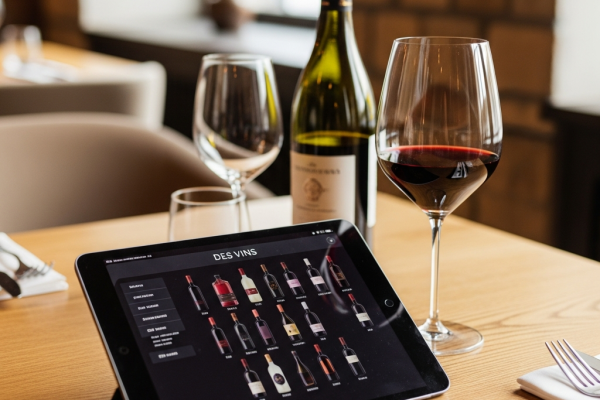
Everything you need to know to successfully digitalize a restaurant, wine bar, or hotel: benefits, 90-day roadmap, tools, mistakes to avoid, and a focus on digital wine lists.
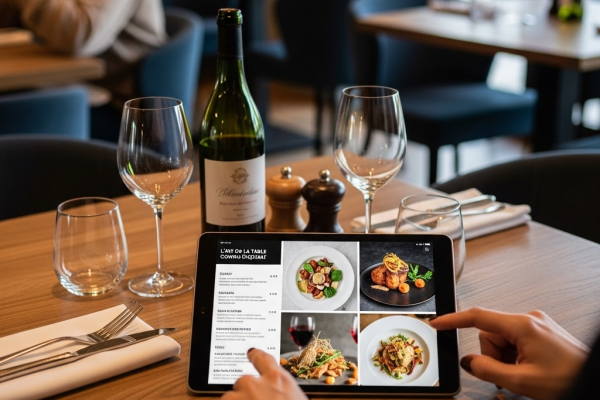
Are you thinking of deploying tablets in your restaurant? Discover how to choose the equipment, structure your menu (and your digital wine list), manage costs, and maximize ROI without degrading the in-room experience.
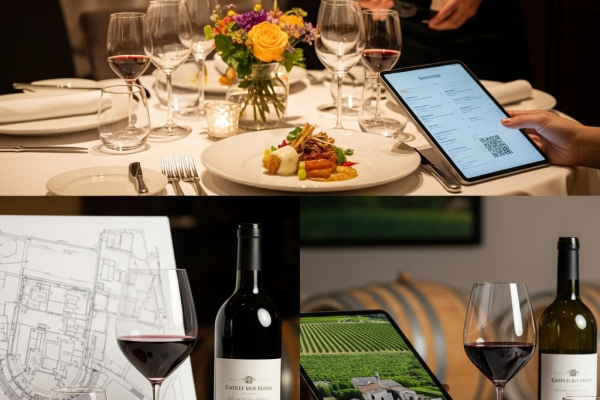
Need a clearer, more profitable, and easy-to-update restaurant wine list? Discover a concrete method, examples of structure, pricing tips, and the advantages of digital (QR code, tablet, virtual sommelier) with Winevizer.
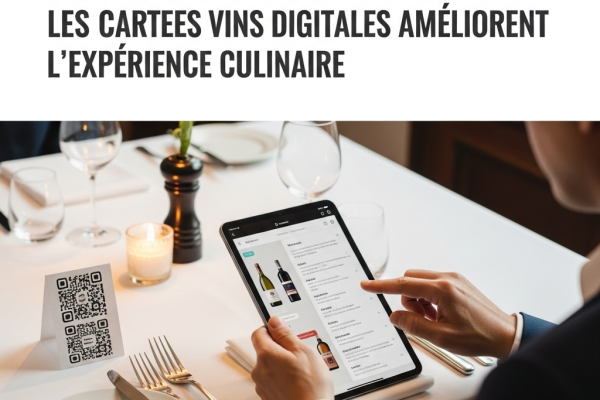
Choosing wine at a restaurant can be simple and enjoyable. Discover clear guidelines for pairing, managing your budget, talking to the staff… and how a digital wine list with a virtual sommelier can reassure your clients and boost your sales.
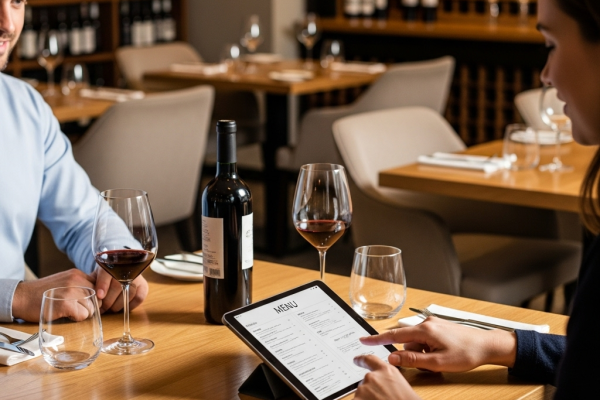
Are you looking to create a free online restaurant menu quickly and without a hitch? Here’s a clear guide with concrete options, step-by-step instructions, templates, and a focus on QR codes — with a professional alternative if you want to go further.