 Food and Wine Pairing
•
13 June 2025
Food and Wine Pairing
•
13 June 2025
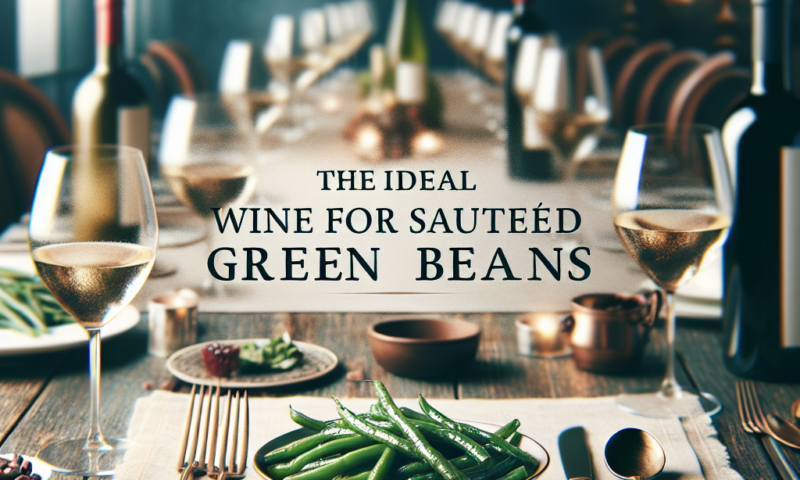
Sautéed green beans appear on menus as a stand-alone vegetarian dish, as a premium side for fish and meat mains, and as a component of tasting-menu vegetable courses. In each context, the wine recommendation moment is often skipped — either because the dish seems too simple to warrant a pairing conversation, or because servers are uncertain about which wine actually works. A virtual sommelier removes both barriers: it surfaces a relevant wine recommendation automatically and gives the server a credible rationale to present. Green beans' herbaceous, crunchy profile responds well to specific wine styles, and the pairing is more interesting than guests expect — which is exactly the kind of engagement moment that builds loyalty to your wine program.
Adding pairing logic to a vegetable course may seem like a minor configuration effort, but the commercial impact compounds over service volume. When you load dish-level pairings into your digital wine list, every table that orders sautéed green beans — whether as a side or a main — sees a wine recommendation without any server action required. For fine-dining and tasting-menu operations, vegetable course pairings are part of the full experience and guests expect them; for brasseries, they are a differentiating signal of wine program quality.
Wine attachment on vegetable-forward dishes is typically the lowest category across any menu. Operators who activate pairing guidance on these items see the largest proportional uplift — precisely because the baseline is low and the conversion opportunity is untapped. Typical improvements are 20 to 35 percent in wine attachment rate on vegetable dishes within the first four weeks of deployment. Server handling time on wine questions decreases by 4 to 7 minutes per service. Across a full dinner service, those minutes add up to meaningful server capacity savings.
Configure vegetable course pairings as part of a full menu setup. Visit our pricing page to activate the trial today.
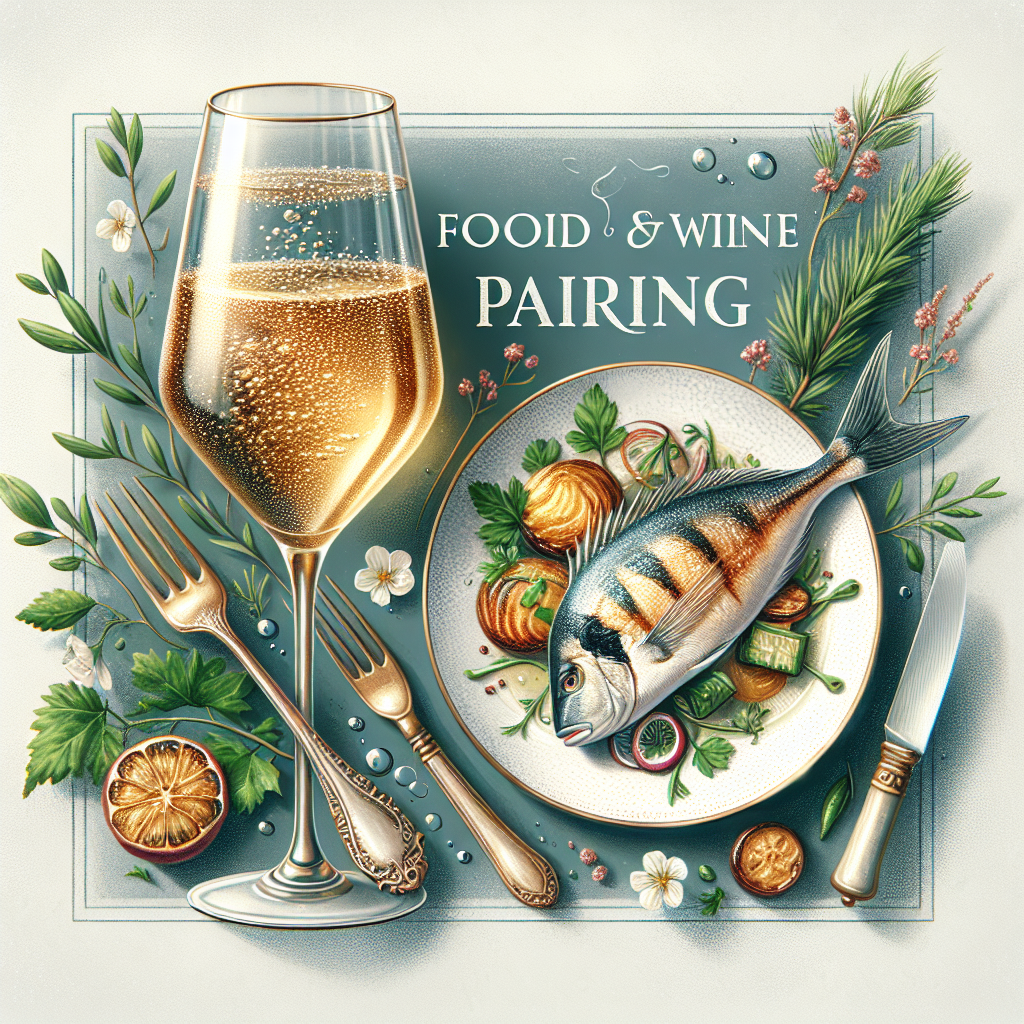
Discover the Harmony of Roasted John Dory and Exceptional Wines If you are a gastronomy enthusiast, you know how a successful food and wine pairing can elevate a meal. Today, we explore an exquisite dish: roasted john dory. This delicate fish pairs wonderfully with various wines, offering a memorable culinary experience. The Best […]
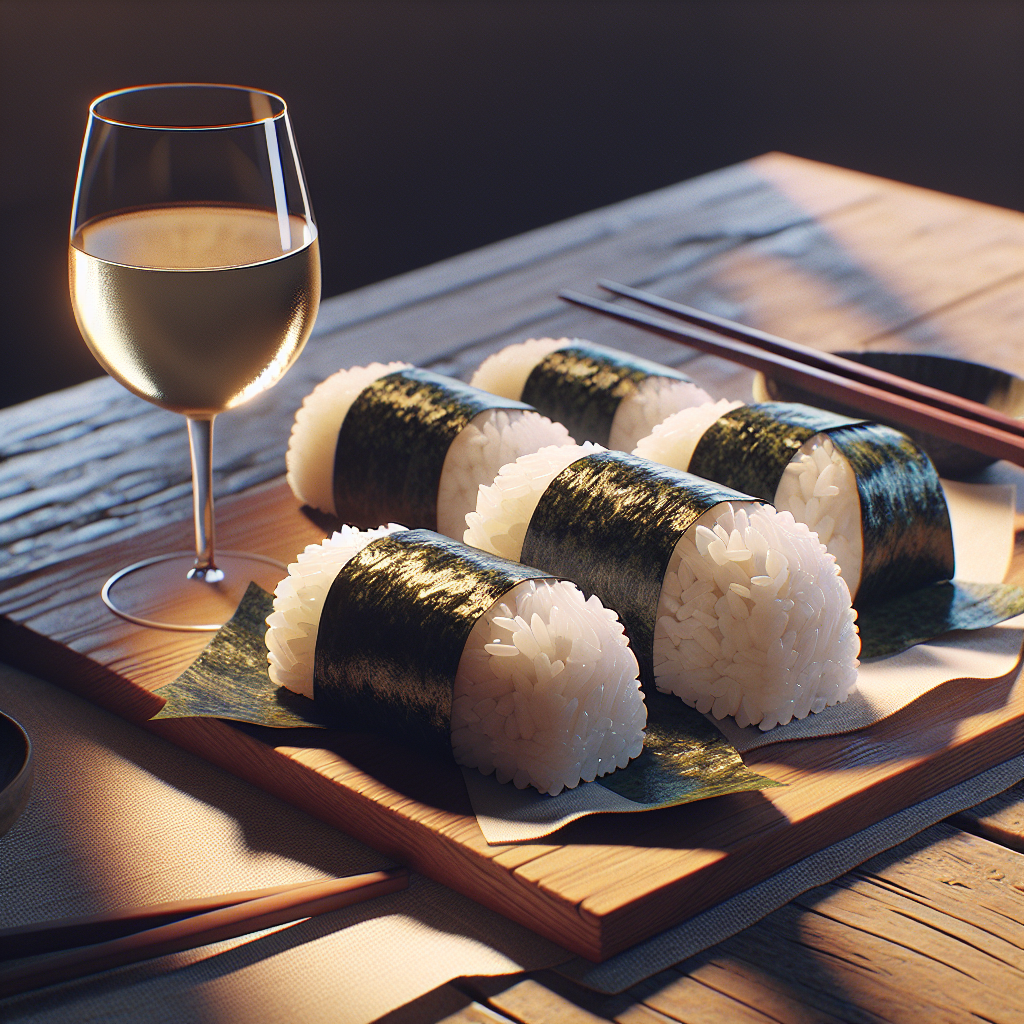
The art of pairing wine with onigiri: a taste exploration. The okinigi, this delicious Japanese rice ball filled and wrapped in a seaweed leaf, captivates with its simplicity and delicate flavors. Finding the ideal wine to accompany this dish is a subtle art. Let’s explore these taste pairings together! Food and wine pairings […]<\/p>
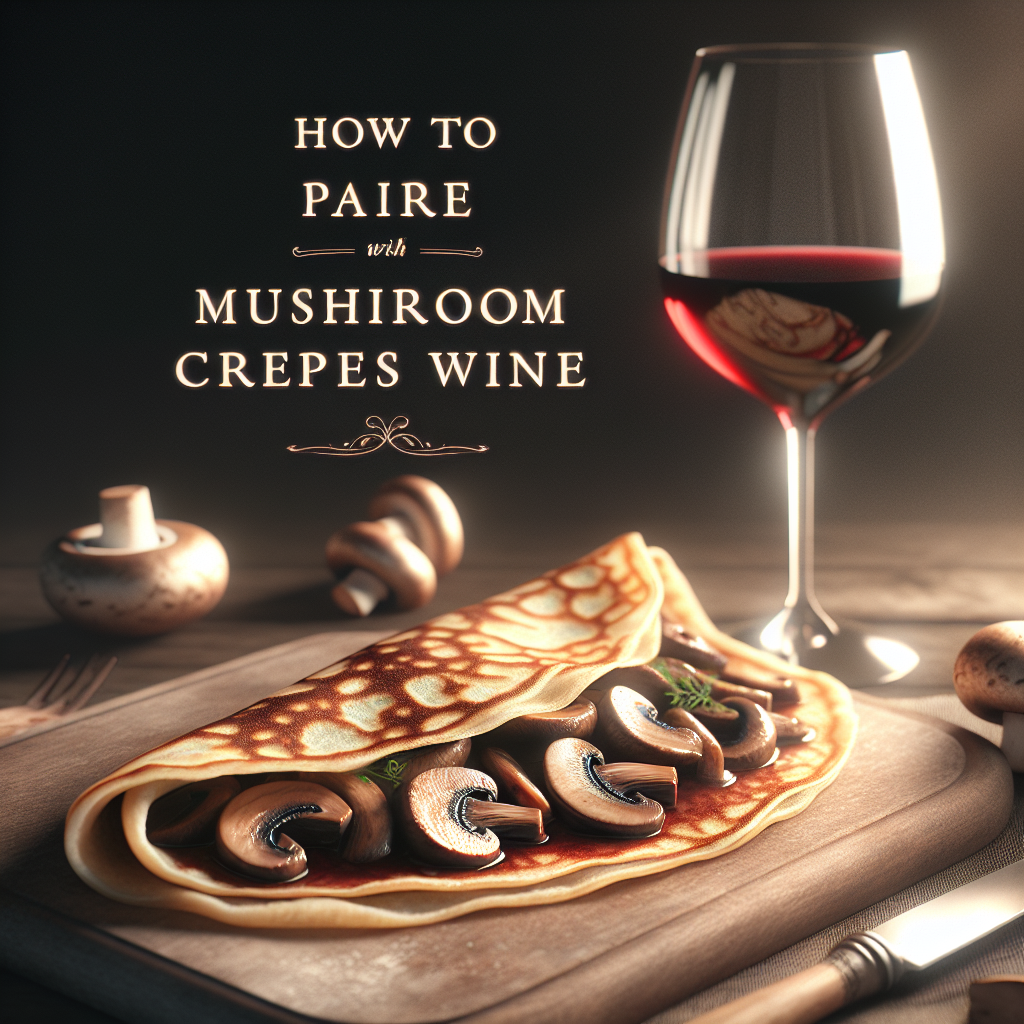
A Perfect Match: Mushroom Crepes and Wine Selection The combination of mushroom crepes with the ideal wine can transform a simple meal into a memorable gastronomic experience. Let’s discover how to elevate this classic dish with a selection of suitable wines. Subtle Pairings to Reveal the Flavor of Mushrooms Mushrooms, […]
For 1 month with no commitment