 Digital wine list
•
10 September 2026
Digital wine list
•
10 September 2026
The climate is changing, and the wine map with it. Harvests start earlier in some regions, unexpected terroirs are asserting themselves, and the historic strongholds of southern Europe are having to reinvent. On the floor, that shows up as shifting aromatic profiles, less predictable vintage availability, and new questions from guests. It can become an advantage, if your list is built to explain rather than merely to list.
What operators see is consistent. Some harvests start earlier, a sign of accelerated ripening. Cooler regions once barely associated with wine are gaining relevance — England is the clearest case, with sparkling wine that now wins on its own terms, and Denmark and Brittany are producing serious bottles. Meanwhile parts of Spain, Italy and Greece face heat and drought that threaten both the balance of the wines and the consistency of the yields.
For restaurants, wine bars and hotels, that means:
A list can no longer be a frozen PDF, or a print run you change reluctantly. It has to become a working tool that explains, guides and justifies your choices. A digital list lets you add vintage notes, offer alternatives, and open guests to new origins without losing your own editorial line.
Producers are adapting on several fronts:
Your role is explanation. Guests accept change readily when they understand it. Two sentences on why a multi-vintage blend makes sense, or how a lesser-known variety delivers the balance you were after, does the work. The list should carry that logic without the jargon.
Open a "cool climate discoveries" section for regions the climate has recently made viable, sitting alongside the classic appellations. The point is not to replace anything, but to complete the list intelligently and protect both quality and supply.
Vintages are becoming more contrasted. Put vintage notes directly on the wine's entry: a short line on freshness, ripeness and expected style. Say so when a cuvée is multi-vintage, and treat the consistency as the selling point it is.
Give your staff simple things to say: what has changed, why it does not mean lower quality, and how to choose according to what the guest likes. A tablet list with a virtual sommelier supports that conversation with filters by style, short notes and pairing suggestions.
The result is a coherent story, a list that is always current, and a team focused on service rather than on last-minute corrections.
The trade has been through worse. Phylloxera in the nineteenth century remade European viticulture entirely, and it rebuilt, innovated and adapted. The current adjustments — resistant varieties, multi-vintage blending, evolving rules — sit in that continuity. Your part is to carry that in the dining room, through simple language, an agile list and a confident team.
To stabilise the taste of a cuvée when conditions vary, and preserve a signature the estate is deliberately holding.
Keep it short: an earlier or warmer vintage, a different balance sought. Then offer an alternative if the guest wants more freshness or more structure.
Yes. Cooler regions are gaining real relevance as temperatures rise. Present them as complements to your selection, not as replacements.
Stay factual. It is contested in the trade and the rules vary by region. Then move the conversation to what is in the glass and why the estate chose as it did.
Use a digital list by QR code and on tablet, and update vintages, gaps and prices as they change.
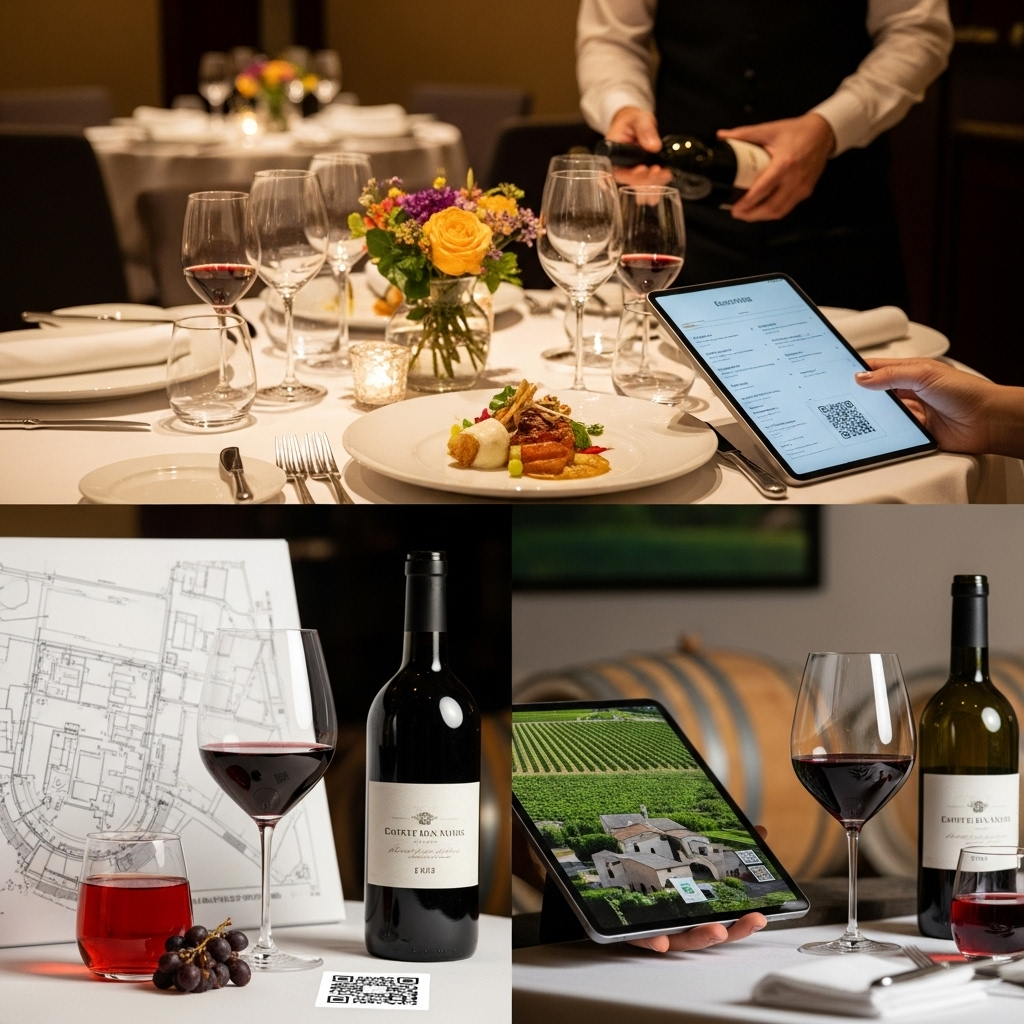
Need a clearer, more profitable, and easy-to-update restaurant wine list? Discover a concrete method, examples of structure, pricing tips, and the advantages of digital (QR code, tablet, virtual sommelier) with Winevizer.<\/p>
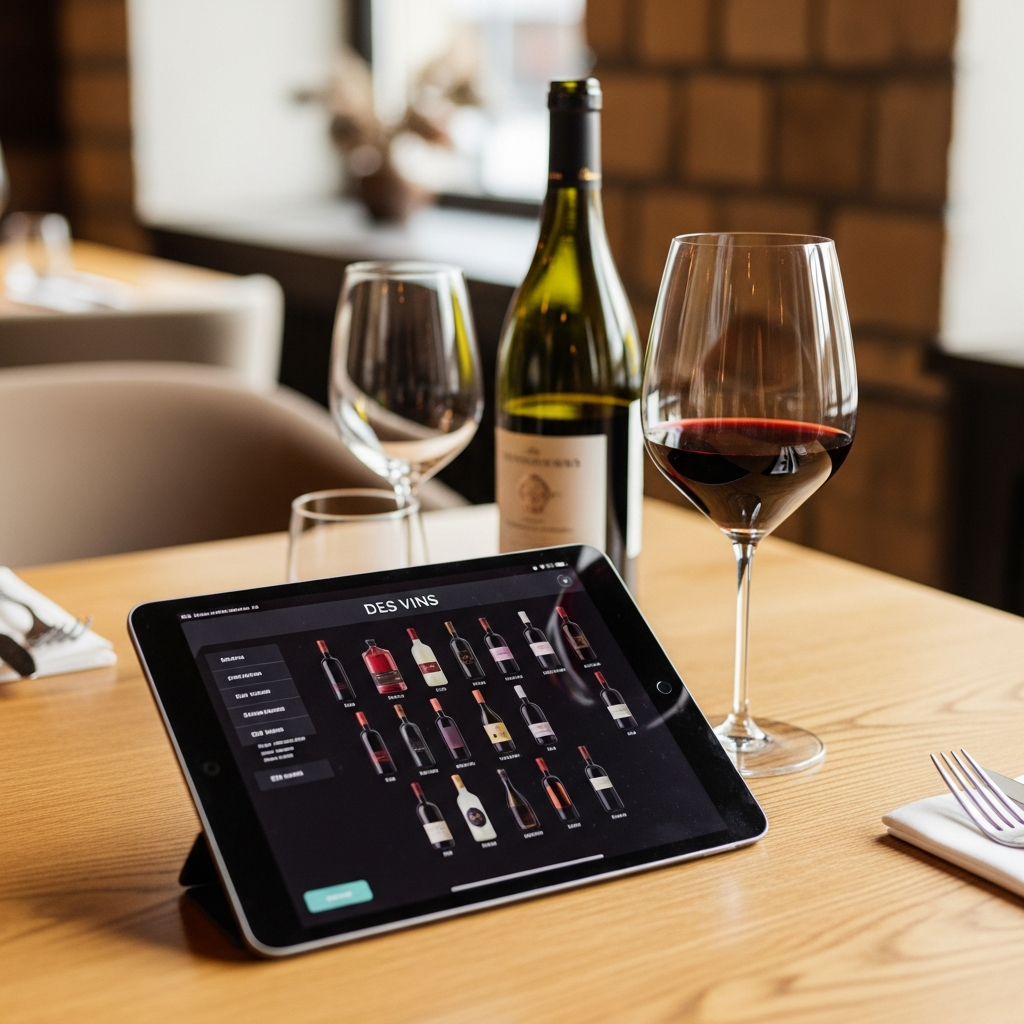
Everything you need to know to successfully digitalize a restaurant, wine bar, or hotel: benefits, 90-day roadmap, tools, mistakes to avoid, and a focus on digital wine lists.<\/p>

Starred sommeliers blend prestigious wines and natural wines to meet customer expectations while exploring new flavors. How to connect this with a digital wine list?
For 1 month with no commitment